

When choosing an engagement ring or piece of bridal jewellery, the metal you select is just as important as the design itself. Like a great partnership, it should have strong foundations and be built to stand the test of time.
Two of the most sought-after precious metals for fine jewellery are 18ct white gold and platinum. Both are prized for their strength, structural integrity and timeless appeal, yet they offer distinct qualities that may influence your decision.
To help you navigate the differences, we spoke with our expert Sales Consultant Tina and Co-Managing Director Justin McCabe about what sets 18ct white gold and platinum apart.
A Brief History of Two Iconic Metals
Platinum has a long and illustrious history in fine jewellery. During the early 1900s, it became synonymous with Art Deco design, valued for its strength and its ability to hold diamonds securely in delicate, intricate settings.
“Platinum Art Deco jewellery is a testament to the longevity of the metal,” says our Co-Managing Director Justin. “It shows how a piece can pass through multiple generations when properly worn and maintained.”
White gold later rose to popularity as a modern alternative to platinum, offering a similarly bright appearance while being lighter and, for many years, more cost-effective. Today, both metals remain cornerstones of fine jewellery, chosen for their beauty, performance and timeless appeal.
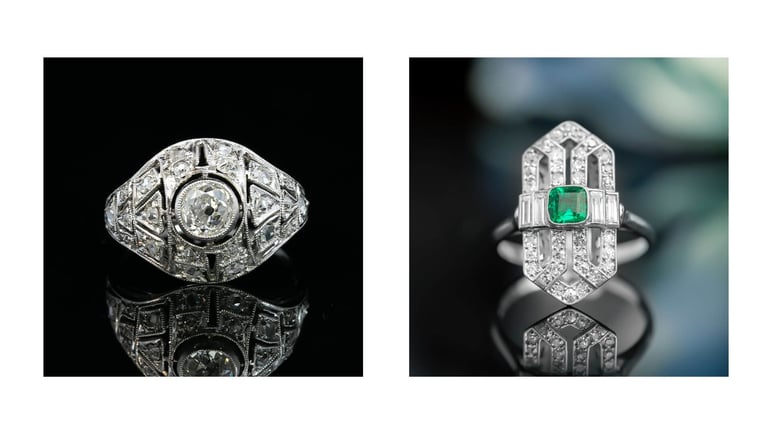
Shop Antique & Vintage Platinum Jewellery | Gerard McCabe
What Are the Main Differences Between Platinum and White Gold?
COMPOSITION & COLOUR
Platinum jewellery is typically made from 95% pure platinum, giving it a naturally white to soft grey hue that does not fade or change over time. As Tina explains, “Platinum is an intriguing material. It comes out of the ground pretty much as is.” This natural whiteness means platinum does not require plating to maintain its colour.
By comparison, 18ct white gold is an alloy made from 75% pure gold combined with white metals such as palladium and silver. Because gold is naturally yellow, white gold is finished with a rhodium plating to achieve its bright appearance.
“The final Rhodium plate lends itself to showcasing fine-quality diamonds because of its excellent white colour and crisp finish.” Tina - Sales Consultant, Gerard McCabe Adelaide Arcade.
At Gerard McCabe, we use a higher-percentage palladium-based white gold alloy. Justin explains, “This results in a whiter finish and excellent quality, while avoiding nickel, which can cause skin sensitivities.”
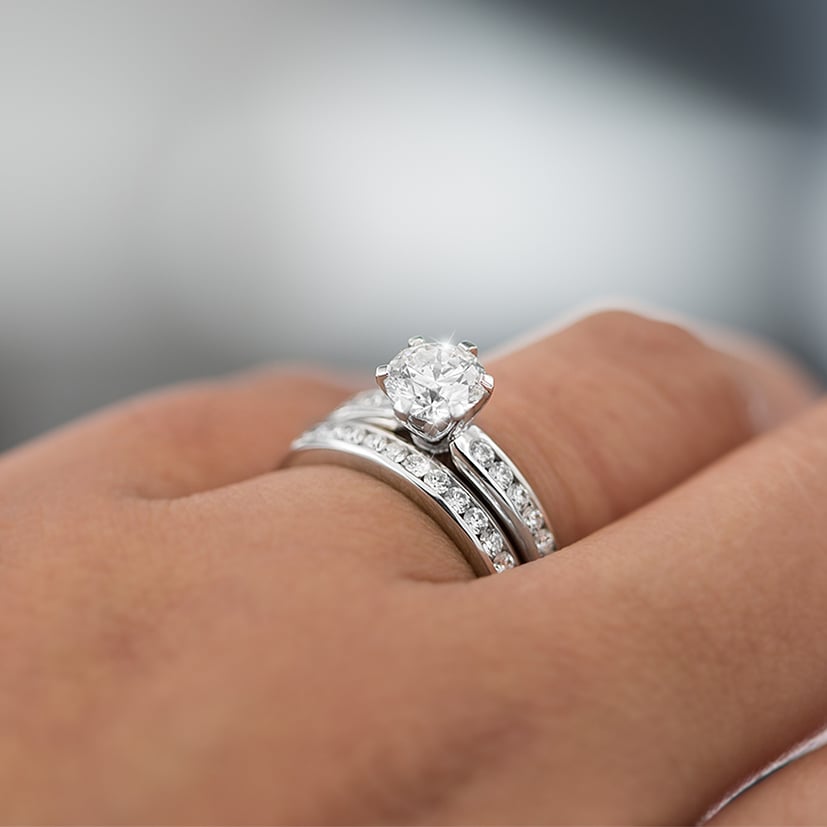
Shop Elegance Engagement Ring Collection | Gerard McCabe
DURABILITY & EVERYDAY WEAR
Both platinum and 18ct white gold are well suited to everyday wear, particularly for engagement rings and wedding bands.
Platinum is exceptionally dense and strong. As Tina adds, “Platinum is particularly suitable for very fine work, basket settings and intricate designs that are fine and require extra strength.” Rather than wearing away over time, platinum gently displaces, developing a soft patina that many clients find appealing for its “lived-in” feel.
White gold is also durable and practical for daily wear, although it is slightly softer than platinum. Over time, the rhodium plating will naturally wear, allowing the warmer tone of the gold beneath to show through.
MAINTENANCE OVER TIME
Like all fine jewellery, both metals require care throughout their lifetime. Platinum is considered low maintenance, as it does not require plating. With wear, it develops a soft patina that many clients appreciate for its character, or it can be polished back to a high shine by a jeweller.
White gold, on the other hand, requires more regular upkeep. To maintain its bright white appearance, rhodium plating needs to be reapplied periodically, particularly for rings worn daily. Most white gold rings require re-plating every one to three years, depending on wear.
“When considering the lifetime cost of a piece, maintenance is an important factor,” Justin notes. “White gold’s rhodium plating does add to ongoing care, whereas platinum simply needs occasional polishing.”
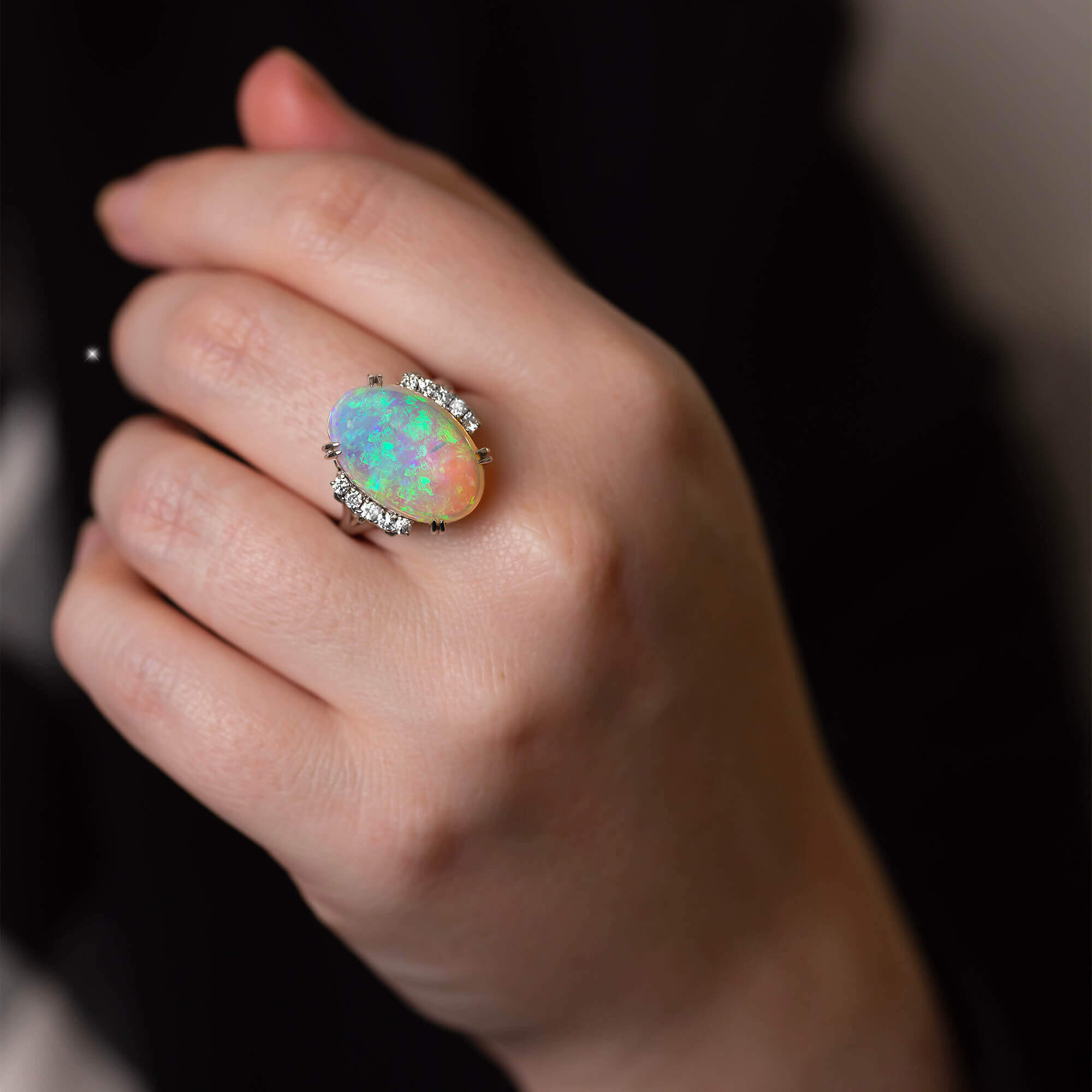
Shop Platinum Jewellery | Gerard McCabe
PRICE & MARKET CHANGES
Historically, platinum jewellery commanded a much higher price than white gold. However, recent shifts in precious metal markets have changed this dynamic.
“In 2023-2024, our platinum rings were approximately $1,500 more than their white gold equivalents,” Justin explains. “In 2026, with the surge in gold prices, platinum rings are often priced the same or even less in most cases.”
Although platinum is sold by weight and its density means more metal is required to create a ring, the rising price of 18ct gold has significantly narrowed the gap between the two.
“We’ve also introduced platinum into designs that would traditionally have been made in white gold,” says Justin. “It’s become a very attractive and price-effective alternative, as seen in our Atlantis collection.”
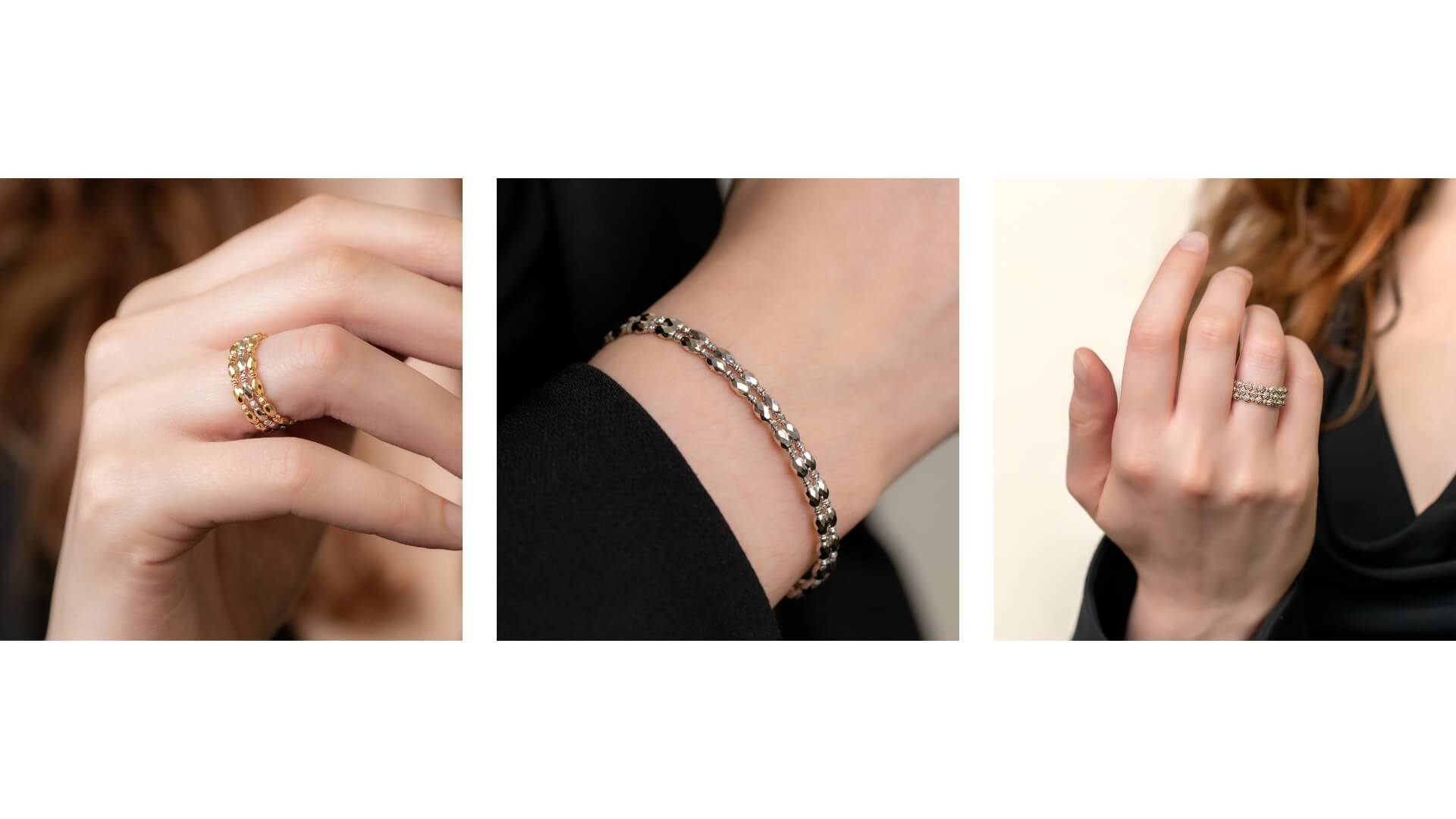 Shop Atlantis Collection | Gerard McCabe
IS WHITE GOLD OR PLATINUM BETTER FOR AN ENGAGEMENT RING?
When comparing a white gold vs platinum engagement ring, both metals are excellent choices for everyday wear and lifelong durability. Platinum engagement rings are often favoured for their strength, naturally white colour and low-maintenance appeal, making them ideal for those wanting a metal that will retain its appearance over time. White gold engagement rings, on the other hand, are loved for their bright finish, timeless elegance and lighter feel on the hand. Ultimately, the best metal for an engagement ring comes down to personal preference, lifestyle and how you want your ring to age and evolve over the years.
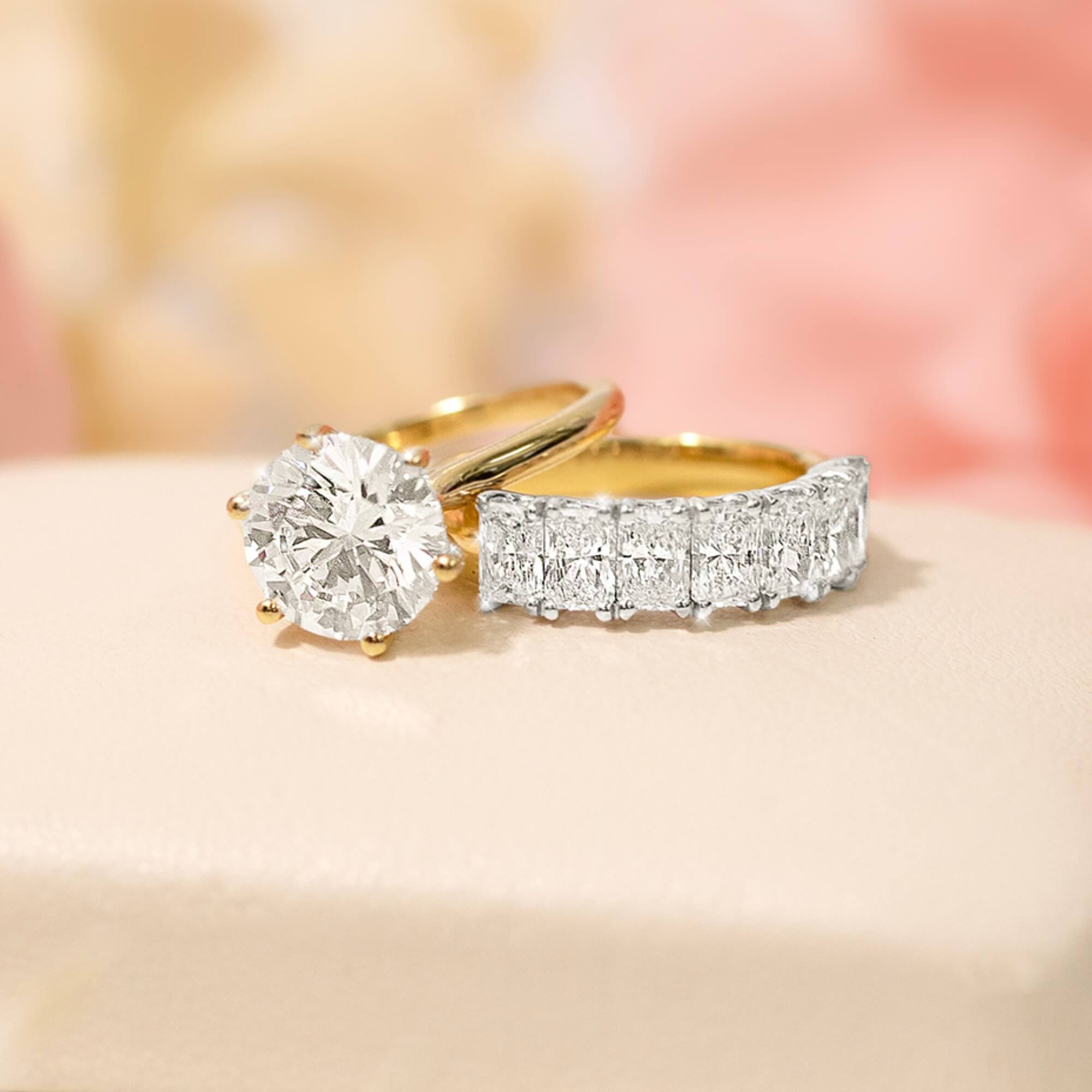
Shop Engagement Rings | Gerard McCabe
CHOOSING THE RIGHT METAL
Both platinum and 18ct white gold are exceptional choices for your piece of jewellery. The right option ultimately depends on your lifestyle, aesthetic preference, and how you envision your jewellery ageing over time.
As our Sales Consultant Tina so perfectly summarises, “There really is no right or wrong when it comes to 18 carat white gold versus platinum. It is just a matter of taste.”
All Gerard McCabe engagement and wedding rings can be crafted in either 18ct white gold or platinum, allowing you to select the metal that best suits your story. Explore our full jewellery collection online or visit our friendly team at one of our Adelaide boutiques to discover a design that will stand the test of time.
